Consensus: Your AI Search Engine for Scientific Research
Tired of sifting through endless search results and biased articles for a single, credible answer? Meet Consensus, an innovative AI search engine designed to cut through the noise and deliver science-backed insights. Developed to serve researchers, students, and curious minds, this powerful tool is built for one purpose: to provide you with evidence-based answers directly from peer-reviewed scientific research. Forget ambiguous links and endless reading; Consensus synthesizes findings from over 200 million academic papers to give you clear, concise, and citable information in seconds.
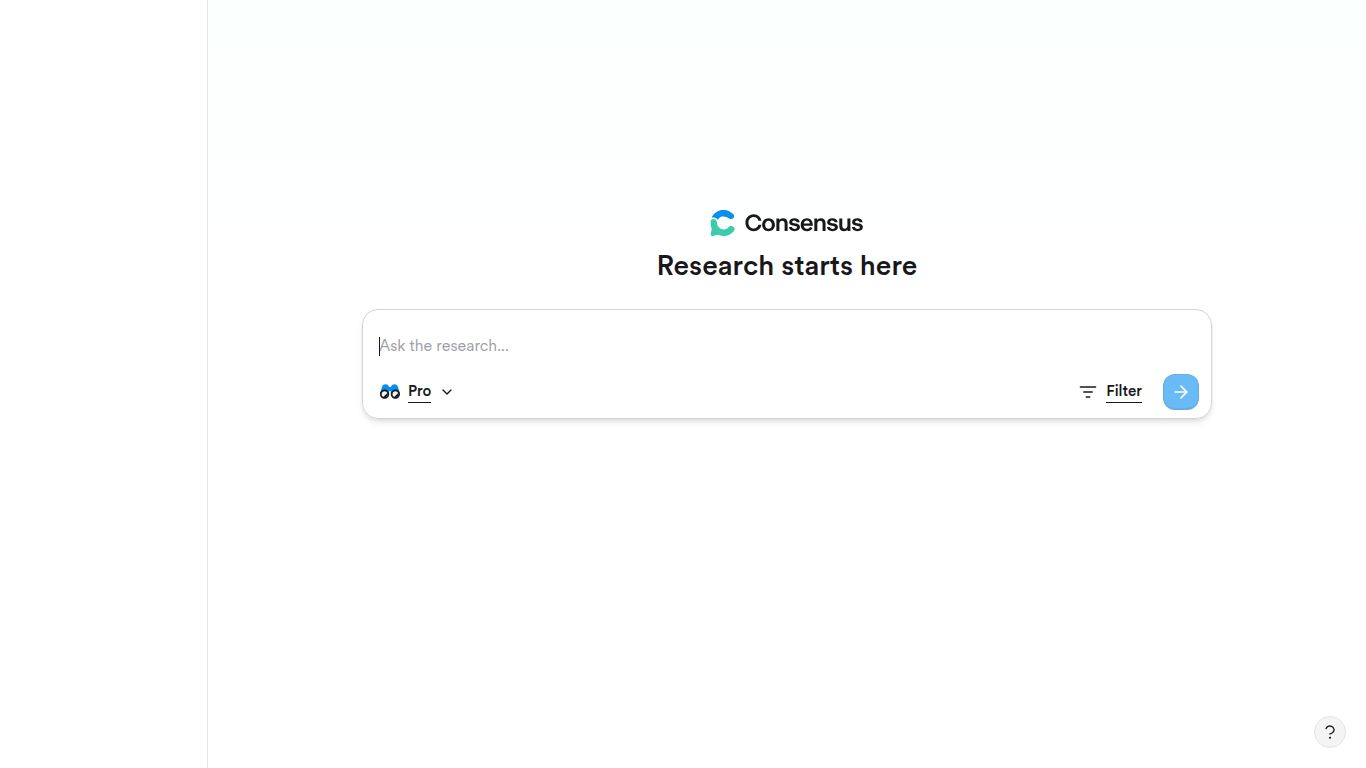
Capabilities
While many AI tools focus on creating new content from scratch, Consensus excels in the art of discovery and synthesis. Its core capability is a highly specialized form of AI-powered text analysis and information retrieval, focused exclusively on scientific literature. It doesn’t generate images or videos; instead, it offers a focused suite of powerful research functionalities:
- Instant Research Synthesis: Ask a question in plain English and receive a clear summary of what the scientific community has discovered on the topic.
- Direct Answer Extraction: The AI intelligently pulls key findings, direct quotes, and relevant data points directly from the text of research papers, saving you hours of manual reading.
- In-depth Study Analysis: Consensus goes beyond the abstract, identifying crucial details about the studies it cites, such as population, sample size, and methods used, giving you a complete picture of the evidence.
Features
Consensus is packed with unique features that make rigorous, scientific research accessible and efficient for everyone, regardless of their background:
- Natural Language Questions: There’s no need for complex search queries. Simply ask what you want to know, like “What are the benefits of intermittent fasting?” or “Does mindfulness reduce anxiety?”
- The Consensus Meter: This standout visual feature provides an at-a-glance overview of the scientific agreement on a topic. It instantly shows you whether findings are widely supported, conflicting, or still emerging, helping you gauge the strength of the evidence.
- Cited and Verified Results: Every answer is backed by direct citations from reputable, peer-reviewed sources. You can trust the information and easily click through to the original papers to dive deeper.
- AI-Powered Copilot: Take your research to the next level. The integrated Copilot helps you draft sections of articles, create literature reviews, generate outlines, and summarize content, all based on the scientific evidence you find on the platform.
- Advanced Filtering: Refine your search results with precision. You can filter by study type (e.g., Randomized Controlled Trial, Meta-Analysis), journal quality (quartile), and publication date to find exactly the evidence you need.
Pricing
Consensus offers a flexible and accessible pricing structure to suit different levels of need, from casual fact-checking to intensive academic research.
Free Plan
Perfect for getting started and for occasional users. The Free plan offers a limited number of searches per month and access to basic features, allowing you to experience the power of AI-driven research at absolutely no cost.
Premium Plan – $9.99/month (Billed Annually)
Unlock the full, unlimited potential of Consensus. For a very reasonable monthly fee, you get unlimited searches, full access to the powerful AI Copilot for content creation, unlimited saved lists and bookmarks, and priority customer support. This is the ideal choice for dedicated students, professionals, and researchers.
Enterprise Plan
Designed for teams, institutions, and organizations. The Enterprise plan includes all Premium features plus advanced team management capabilities, centralized billing, and customized solutions tailored to your organization’s needs. You can contact their sales team for specific pricing.
Use Cases
Consensus is a game-changer for a wide and diverse range of users who value credible, evidence-based information:
- Students & Academics: Drastically speed up literature reviews, find supporting evidence for theses and dissertations, and stay on top of the latest research in your field with unparalleled efficiency.
- Doctors & Medical Professionals: Quickly find the latest clinical trial results, treatment guidelines, and research findings to inform patient care and make evidence-based decisions.
- Content Creators & Journalists: Add a layer of credibility and authority to articles, blog posts, and reports by grounding them in verified scientific research instead of speculation.
- Health & Wellness Enthusiasts: Cut through the rampant misinformation online and get straight, science-backed answers on topics related to nutrition, fitness, supplements, and mental health.
- Product Managers & Business Analysts: Conduct market research, validate product hypotheses, and understand consumer behavior with insights derived from scientific studies.
Alternatives & Comparison
Consensus has carved out a powerful niche, but it’s helpful to see how it compares to other tools in the research space:
- Consensus vs. Google Scholar: Think of Google Scholar as a massive, unorganized library. It gives you access to the books, but you have to read and synthesize them yourself. Consensus acts as your personal research assistant, reading the books for you and presenting the key findings directly.
- Consensus vs. Elicit: Both are excellent AI research assistants. Elicit is more focused on building comprehensive, structured literature review workflows and creating summary tables. Consensus, on the other hand, excels at providing quick, synthesized answers to direct questions and features the unique Consensus Meter for gauging scientific agreement.
- Consensus vs. Perplexity AI: Perplexity is a fantastic general-purpose AI answer engine that can cite sources from across the web. The key difference is specialization. Consensus is highly focused on the scientific domain, exclusively searching peer-reviewed literature to ensure the highest standard of evidence for your answers.