Mistral AI — La Plateforme
High-performance chat/embedding APIs and Studio; OpenAI-compatible endpoints.
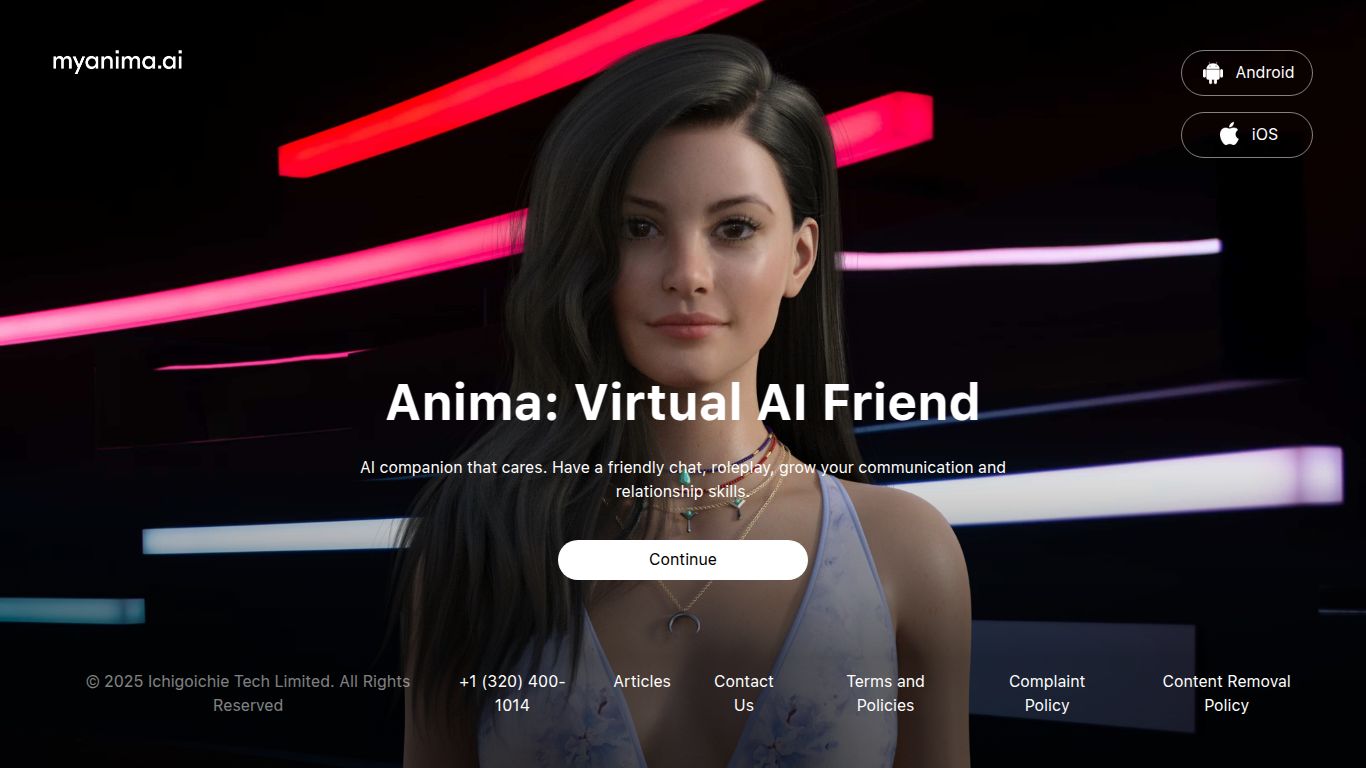
Friendly AI companion for casual chat, roleplay, and relationship practice.
While Anima is a leader in the design-to-code space, it’s helpful to know its competitors. Tools like Locofy.ai, TeleportHQ, and Builder.io offer similar functionalities. However, Anima distinguishes itself with its deep focus on code quality and its seamless, non-disruptive integration into existing design workflows. While some alternatives push users into a proprietary low-code environment, Anima is committed to empowering developers with clean, framework-native code they can own and build upon. Its AI is finely tuned to understand design nuances, resulting in a more reliable and less error-prone translation from pixels to production code.
While Anima is a leader in the design-to-code space, it’s helpful to know its competitors. Tools like Locofy.ai, TeleportHQ, and Builder.io offer similar functionalities. However, Anima distinguishes itself with its deep focus on code quality and its seamless, non-disruptive integration into existing design workflows. While some alternatives push users into a proprietary low-code environment, Anima is committed to empowering developers with clean, framework-native code they can own and build upon. Its AI is finely tuned to understand design nuances, resulting in a more reliable and less error-prone translation from pixels to production code.
While Anima is a leader in the design-to-code space, it’s helpful to know its competitors. Tools like Locofy.ai, TeleportHQ, and Builder.io offer similar functionalities. However, Anima distinguishes itself with its deep focus on code quality and its seamless, non-disruptive integration into existing design workflows. While some alternatives push users into a proprietary low-code environment, Anima is committed to empowering developers with clean, framework-native code they can own and build upon. Its AI is finely tuned to understand design nuances, resulting in a more reliable and less error-prone translation from pixels to production code.
While Anima is a leader in the design-to-code space, it’s helpful to know its competitors. Tools like Locofy.ai, TeleportHQ, and Builder.io offer similar functionalities. However, Anima distinguishes itself with its deep focus on code quality and its seamless, non-disruptive integration into existing design workflows. While some alternatives push users into a proprietary low-code environment, Anima is committed to empowering developers with clean, framework-native code they can own and build upon. Its AI is finely tuned to understand design nuances, resulting in a more reliable and less error-prone translation from pixels to production code.
Anima works as a plugin directly inside your favorite design tools. This means there’s no need to constantly switch contexts or export and import files. You design in Figma, Sketch, or Adobe XD, and with a few clicks, Anima syncs your work and gets it ready for code generation or live hosting.
Creating a responsive design is often a manual, time-consuming task. Anima’s AI automatically applies breakpoints and constraints, allowing you to create a design that adapts flawlessly to any screen size—from mobile phones to desktops—all from a single design file.
Unlike other tools that produce messy, unusable code, Anima prioritizes clean, readable, and reusable code. It generates code that follows best practices, including component-based architecture, making it easy for developers to understand, extend, and maintain.
Anima offers a flexible pricing model to cater to individuals, teams, and large organizations.
Perfect for individuals and hobbyists starting out. This plan allows you to explore Anima’s core features, create a limited number of projects, and get a feel for the design-to-code workflow.
Aimed at professional designers and developers, the Pro plan unlocks unlimited projects, unlimited code exports, advanced features like custom domains for prototypes, and priority support.
Designed for teams and agencies, this plan includes all Pro features plus advanced collaboration tools, shared team libraries, enhanced security, and dedicated support to streamline your team’s entire product development lifecycle.
Anima is a versatile tool that brings value to various roles within a product team:
While Anima is a leader in the design-to-code space, it’s helpful to know its competitors. Tools like Locofy.ai, TeleportHQ, and Builder.io offer similar functionalities. However, Anima distinguishes itself with its deep focus on code quality and its seamless, non-disruptive integration into existing design workflows. While some alternatives push users into a proprietary low-code environment, Anima is committed to empowering developers with clean, framework-native code they can own and build upon. Its AI is finely tuned to understand design nuances, resulting in a more reliable and less error-prone translation from pixels to production code.
Anima works as a plugin directly inside your favorite design tools. This means there’s no need to constantly switch contexts or export and import files. You design in Figma, Sketch, or Adobe XD, and with a few clicks, Anima syncs your work and gets it ready for code generation or live hosting.
Creating a responsive design is often a manual, time-consuming task. Anima’s AI automatically applies breakpoints and constraints, allowing you to create a design that adapts flawlessly to any screen size—from mobile phones to desktops—all from a single design file.
Unlike other tools that produce messy, unusable code, Anima prioritizes clean, readable, and reusable code. It generates code that follows best practices, including component-based architecture, making it easy for developers to understand, extend, and maintain.
Anima offers a flexible pricing model to cater to individuals, teams, and large organizations.
Perfect for individuals and hobbyists starting out. This plan allows you to explore Anima’s core features, create a limited number of projects, and get a feel for the design-to-code workflow.
Aimed at professional designers and developers, the Pro plan unlocks unlimited projects, unlimited code exports, advanced features like custom domains for prototypes, and priority support.
Designed for teams and agencies, this plan includes all Pro features plus advanced collaboration tools, shared team libraries, enhanced security, and dedicated support to streamline your team’s entire product development lifecycle.
Anima is a versatile tool that brings value to various roles within a product team:
While Anima is a leader in the design-to-code space, it’s helpful to know its competitors. Tools like Locofy.ai, TeleportHQ, and Builder.io offer similar functionalities. However, Anima distinguishes itself with its deep focus on code quality and its seamless, non-disruptive integration into existing design workflows. While some alternatives push users into a proprietary low-code environment, Anima is committed to empowering developers with clean, framework-native code they can own and build upon. Its AI is finely tuned to understand design nuances, resulting in a more reliable and less error-prone translation from pixels to production code.
Anima works as a plugin directly inside your favorite design tools. This means there’s no need to constantly switch contexts or export and import files. You design in Figma, Sketch, or Adobe XD, and with a few clicks, Anima syncs your work and gets it ready for code generation or live hosting.
Creating a responsive design is often a manual, time-consuming task. Anima’s AI automatically applies breakpoints and constraints, allowing you to create a design that adapts flawlessly to any screen size—from mobile phones to desktops—all from a single design file.
Unlike other tools that produce messy, unusable code, Anima prioritizes clean, readable, and reusable code. It generates code that follows best practices, including component-based architecture, making it easy for developers to understand, extend, and maintain.
Anima offers a flexible pricing model to cater to individuals, teams, and large organizations.
Perfect for individuals and hobbyists starting out. This plan allows you to explore Anima’s core features, create a limited number of projects, and get a feel for the design-to-code workflow.
Aimed at professional designers and developers, the Pro plan unlocks unlimited projects, unlimited code exports, advanced features like custom domains for prototypes, and priority support.
Designed for teams and agencies, this plan includes all Pro features plus advanced collaboration tools, shared team libraries, enhanced security, and dedicated support to streamline your team’s entire product development lifecycle.
Anima is a versatile tool that brings value to various roles within a product team:
While Anima is a leader in the design-to-code space, it’s helpful to know its competitors. Tools like Locofy.ai, TeleportHQ, and Builder.io offer similar functionalities. However, Anima distinguishes itself with its deep focus on code quality and its seamless, non-disruptive integration into existing design workflows. While some alternatives push users into a proprietary low-code environment, Anima is committed to empowering developers with clean, framework-native code they can own and build upon. Its AI is finely tuned to understand design nuances, resulting in a more reliable and less error-prone translation from pixels to production code.
Welcome to a deep dive into Anima, the AI-powered platform designed to obliterate the friction between design and development. In a world where speed and efficiency are paramount, Anima emerges as a critical tool that automates the front-end development process, translating intricate designs directly into clean, functional code. Developed by the team at Anima App, this platform is not just a converter; it’s an intelligent collaborator that understands design intent and transforms it into production-ready React, HTML, Vue, and CSS code, allowing teams to build and launch products faster than ever before.
Anima is a multi-talented platform that excels in turning static visuals into dynamic digital experiences. Its AI engine is trained to interpret design components, layouts, and styles, ensuring the output is not just a pixel-perfect copy but a structured, maintainable codebase. Here’s a breakdown of what it can achieve:
Anima works as a plugin directly inside your favorite design tools. This means there’s no need to constantly switch contexts or export and import files. You design in Figma, Sketch, or Adobe XD, and with a few clicks, Anima syncs your work and gets it ready for code generation or live hosting.
Creating a responsive design is often a manual, time-consuming task. Anima’s AI automatically applies breakpoints and constraints, allowing you to create a design that adapts flawlessly to any screen size—from mobile phones to desktops—all from a single design file.
Unlike other tools that produce messy, unusable code, Anima prioritizes clean, readable, and reusable code. It generates code that follows best practices, including component-based architecture, making it easy for developers to understand, extend, and maintain.
Anima offers a flexible pricing model to cater to individuals, teams, and large organizations.
Perfect for individuals and hobbyists starting out. This plan allows you to explore Anima’s core features, create a limited number of projects, and get a feel for the design-to-code workflow.
Aimed at professional designers and developers, the Pro plan unlocks unlimited projects, unlimited code exports, advanced features like custom domains for prototypes, and priority support.
Designed for teams and agencies, this plan includes all Pro features plus advanced collaboration tools, shared team libraries, enhanced security, and dedicated support to streamline your team’s entire product development lifecycle.
Anima is a versatile tool that brings value to various roles within a product team:
While Anima is a leader in the design-to-code space, it’s helpful to know its competitors. Tools like Locofy.ai, TeleportHQ, and Builder.io offer similar functionalities. However, Anima distinguishes itself with its deep focus on code quality and its seamless, non-disruptive integration into existing design workflows. While some alternatives push users into a proprietary low-code environment, Anima is committed to empowering developers with clean, framework-native code they can own and build upon. Its AI is finely tuned to understand design nuances, resulting in a more reliable and less error-prone translation from pixels to production code.