Google Translate: Your Instant Gateway to a Multilingual World
Ever found yourself lost in a sea of foreign text on a website, a menu, or a street sign? We’ve all been there. But in today’s hyper-connected world, language barriers are becoming a thing of the past, thanks to powerhouse tools like Google Translate. Developed by the tech giant Google, this isn’t just a simple dictionary; it’s a sophisticated neural machine translation service designed to break down communication walls and make the world a little smaller. Initially launched in 2006, it has evolved from a clunky, literal translator into an incredibly nuanced and intuitive platform that feels like having a personal interpreter right in your pocket.
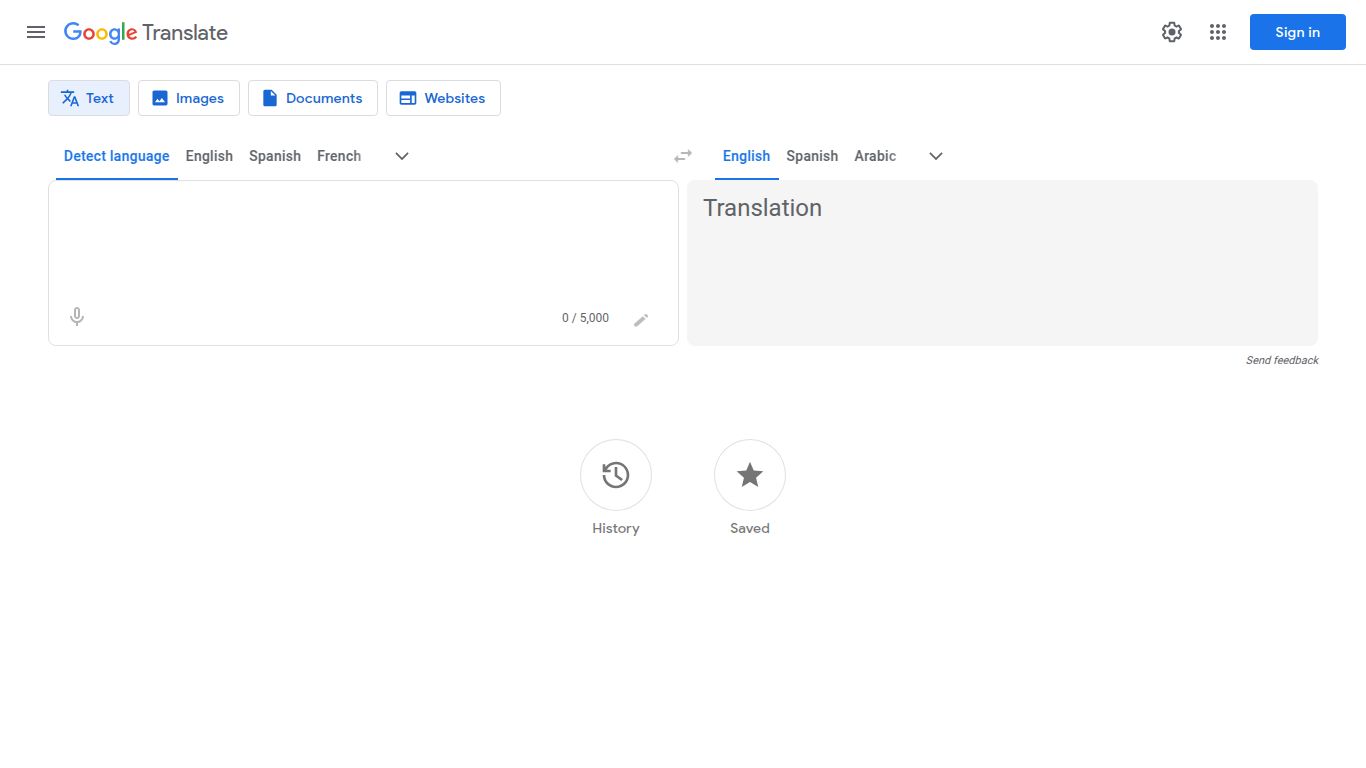
What Can Google Translate Do?
Google Translate is a true jack-of-all-trades when it comes to linguistic tasks. It’s not limited to just one type of media; it’s a versatile toolkit for almost any translation scenario you can imagine. Its capabilities are impressively broad, covering the needs of casual users and professionals alike.
- Text Translation: This is its bread and butter. Type, paste, or even handwrite text and watch it transform into one of over 130 languages in the blink of an eye. The accuracy for common language pairs is simply astounding.
- Image Translation: See a sign you don’t understand? Just point your phone’s camera at it! Using Google Lens technology, the tool magically overlays the translated text onto your screen in real-time, preserving the context of the image. It’s perfect for menus, posters, and product labels.
- Document Translation: Have a PDF, Word document, or PowerPoint presentation in another language? No need to copy-paste paragraph by paragraph. Simply upload the entire file and get a fully translated version back in seconds.
- Speech Translation: Engage in a two-way conversation with someone who speaks a different language. The “Conversation” mode listens and translates in near real-time, displaying both languages on the screen, making face-to-face communication incredibly smooth.
- Website Translation: With its seamless integration into the Chrome browser, Google Translate can convert entire webpages into your preferred language with a single click, unlocking a world of information.
Key Features That Make It Stand Out
Beyond its core capabilities, Google Translate is packed with clever features that enhance the user experience and add layers of utility.
- Neural Machine Translation (NMT): This is the secret sauce. Instead of translating word by word, NMT considers the entire sentence’s context, resulting in translations that are far more accurate, natural, and human-sounding.
- Offline Mode: A lifesaver for travelers! You can download language packs in advance, allowing you to get translations even when you’re off the grid without an internet connection.
- Phrasebook: Find a translation you’ll need again? Star it and save it to your personal Phrasebook for quick and easy access later. This is great for common phrases like “Where is the bathroom?” or “How much does this cost?”.
- Tap to Translate (Android): A brilliantly convenient feature. Copy text in any app—WhatsApp, a news article, you name it—and a Google Translate icon pops up. Tap it for an instant translation without ever leaving the app you’re in.
- Cross-Platform Sync: Your saved phrases in the Phrasebook are synced across all your devices (web, iOS, Android) as long as you’re logged into your Google account.
Pricing: How Much Does It Cost?
Here’s the best part for the vast majority of users: it’s completely free. For personal, everyday use, Google Translate doesn’t cost a dime. You get access to all the amazing features mentioned above without ever opening your wallet.
- Free Plan: Perfect for individuals. This includes unlimited use of the web interface, the mobile apps, and browser extensions for personal, non-commercial purposes.
- Google Cloud Translation API: For businesses and developers who need to integrate translation capabilities into their own applications or websites, Google offers a paid, consumption-based API. Pricing is typically based on the number of characters translated, offering a scalable solution for commercial needs.
Who Is Google Translate For?
The beauty of Google Translate lies in its universal appeal. It’s a tool for everyone, but here are some of the people who will find it indispensable:
- Travelers: From navigating public transport in Tokyo to ordering dinner in Rome, it’s an essential travel companion for bridging communication gaps on the go.
- Students and Researchers: A fantastic aid for accessing academic papers, historical documents, and source materials written in other languages.
- Content Creators: Helps in understanding global trends, comments from an international audience, and getting the gist of foreign-language content for inspiration.
- Language Learners: A great tool for quickly looking up words, checking your own translations, and learning pronunciation with the text-to-speech feature.
- Business Professionals: Ideal for understanding emails from international clients, getting the main points of a foreign-language report, or for informal cross-border communication.
Alternatives & How They Compare
While Google Translate is a dominant force, it’s not the only player in the game. Depending on your needs, you might consider a few alternatives.
- DeepL: Often hailed as the king of quality. DeepL is renowned for its incredibly nuanced and natural-sounding translations, especially for European languages. It’s the top choice when the quality and flow of the text are paramount. However, it supports fewer languages than Google.
- Microsoft Translator: Google’s closest competitor from another tech giant. It offers a very similar feature set, including text, voice, and image translation, and is deeply integrated into the Microsoft ecosystem (like Skype and Office). The choice between them can often come down to personal preference or ecosystem loyalty.
- Yandex Translate: This service shines particularly with Russian and other Slavic languages, often outperforming its competitors for those language pairs due to its origins. It also includes handy features like document and website translation.
In summary, Google Translate remains the undisputed champion for its sheer breadth of languages, incredible set of free features like real-time camera translation, and unbeatable accessibility. While alternatives like DeepL may offer more poetic translations for specific languages, Google’s all-around utility and innovation make it an essential tool for anyone looking to navigate our multilingual world.